
Before we dive in, I should let you know that I’m a designer. I have no business hacking firmware to make devices perform jobs they were never intended for, but I do love tinkering with physical hardware. A few years ago, I wrote about building an Arduino LED strip game and followed that post up with another about a Simon clone built with arcade buttons and a 3D printed case. I’ve also taken on some Raspberry Pi projects, a few simpler Arduino builds, and some home automation. All of those were based on existing code and project plans—no compiled binaries or firmware modifications. So, yes, I was way outside my skill set and comfort zone on this project, but that’s how we learn new things, right?
Library Ladder Wall
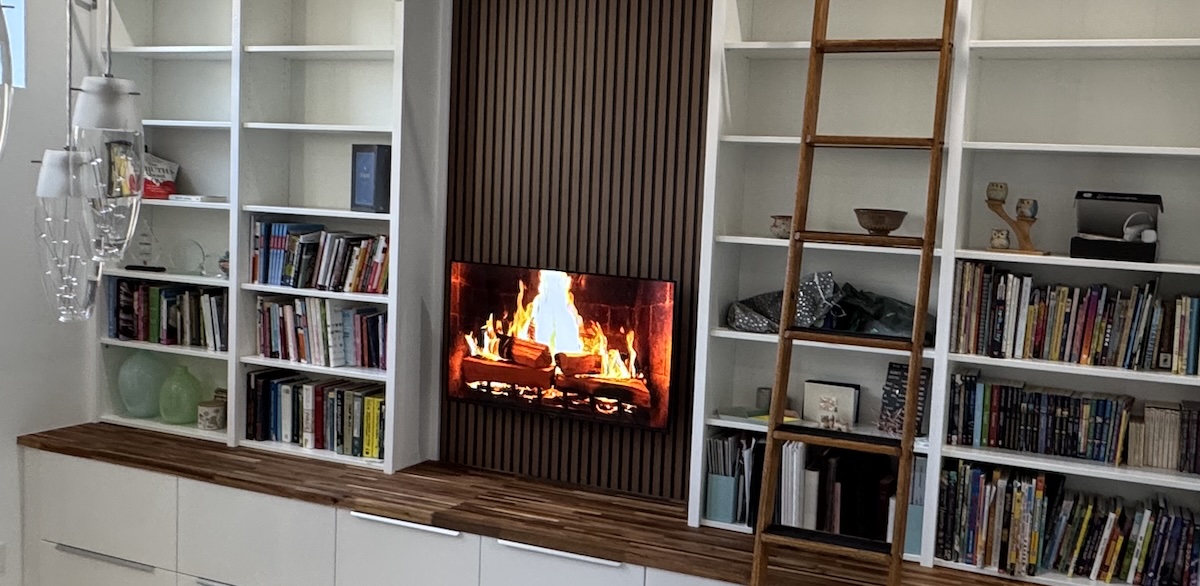
In August, Ames and I did something we never thought we’d do – we finally bought a move-in-ready home. Since our first house renovation project…
Challenge Coins & Cheesy Trophies

For me, the wheels started turning when we set the dates for our product zone’s Chicago HQ onsite and decided to make a hackathon the focus of our 2 days together. I wanted to make this meetup a memorable one and create some kind of tangible reminder of the occasion. I also knew that our hackathon teams would work hard on their self-selected projects and that everyone who participated would deserve a fun reward.
Building Simon for Arduino Uno

A couple of weeks ago I decided it was time to build something fun. My kids and I enjoy tinkering with maker projects here and there, but we haven’t made anything lately quite like our epic Twang LED Strip game build from last year. I really wanted another project that required some 3D printing and made use of an Arduino Uno and some Arduino starter kit parts we had sitting idle.
TWANG! Building an Arduino-Based LED Strip Game
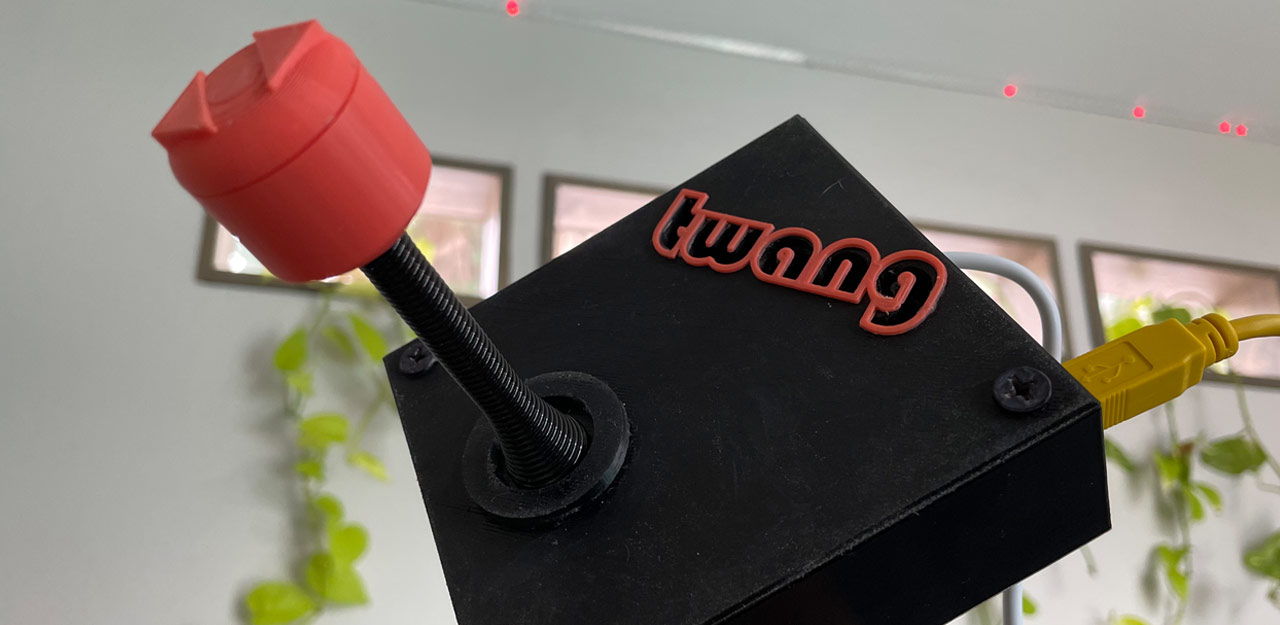
My kids and I have spent many a weekend afternoon playing, learning, and exploring at Orlando Science Center. There is so much to see there that it’s easy to miss a little permanent exhibit in the hallway outside “The Hive” Makerspace on the 3rd floor. There you’ll find a pedestal against the wall with a spring on top and a little red button. People walk past it all the time, but tap the spring and the dark hallway comes to life with 8-bit sounds and light from an LED strip on the opposite wall.